Business Name: BeeHive Homes of Farmington
Address: 400 N Locke Ave, Farmington, NM 87401
Phone: (505) 591-7900
BeeHive Homes of Farmington
Beehive Homes of Farmington assisted living care is ideal for those who value their independence but require help with some of the activities of daily living. Residents enjoy 24-hour support, private bedrooms with baths, medication monitoring, home-cooked meals, housekeeping and laundry services, social activities and outings, and daily physical and mental exercise opportunities. Beehive Homes memory care services accommodates the growing number of seniors affected by memory loss and dementia. Beehive Homes offers respite (short-term) care for your loved one should the need arise. Whether help is needed after a surgery or illness, for vacation coverage, or just a break from the routine, respite care provides you peace of mind for any length of stay.
400 N Locke Ave, Farmington, NM 87401
Business Hours
Monday thru Sunday: 9:00am to 5:00pm
Facebook: https://www.facebook.com/BeeHiveHomesFarmington
YouTube: https://www.youtube.com/@WelcomeHomeBeeHiveHomes
Choosing where a parent will live in later life is hardly ever a simple real estate decision. It sits at the crossway of security, identity, household history, and money. When households start exploring assisted living, among the earliest and most consequential choices is typically about environment: a quieter, homelike neighborhood or a bigger, busier campus with lots of activities and levels of care.
Both options can support excellent senior care. Both can fail a specific parent if the fit is incorrect. The real concern is not which model is much better in the abstract, however which setting offers your particular parent the best possibility to feel safe, engaged, and respected.
This is where subtlety matters.
Why the setting matters more than many families expect
From a scientific viewpoint, assisted living is about assistance with day-to-day activities: bathing, dressing, medication management, meals, house cleaning. From a human point of view, it is also about whether a person gets up each day with something to anticipate, feels understood by personnel, and has adequate control over day-to-day routines.
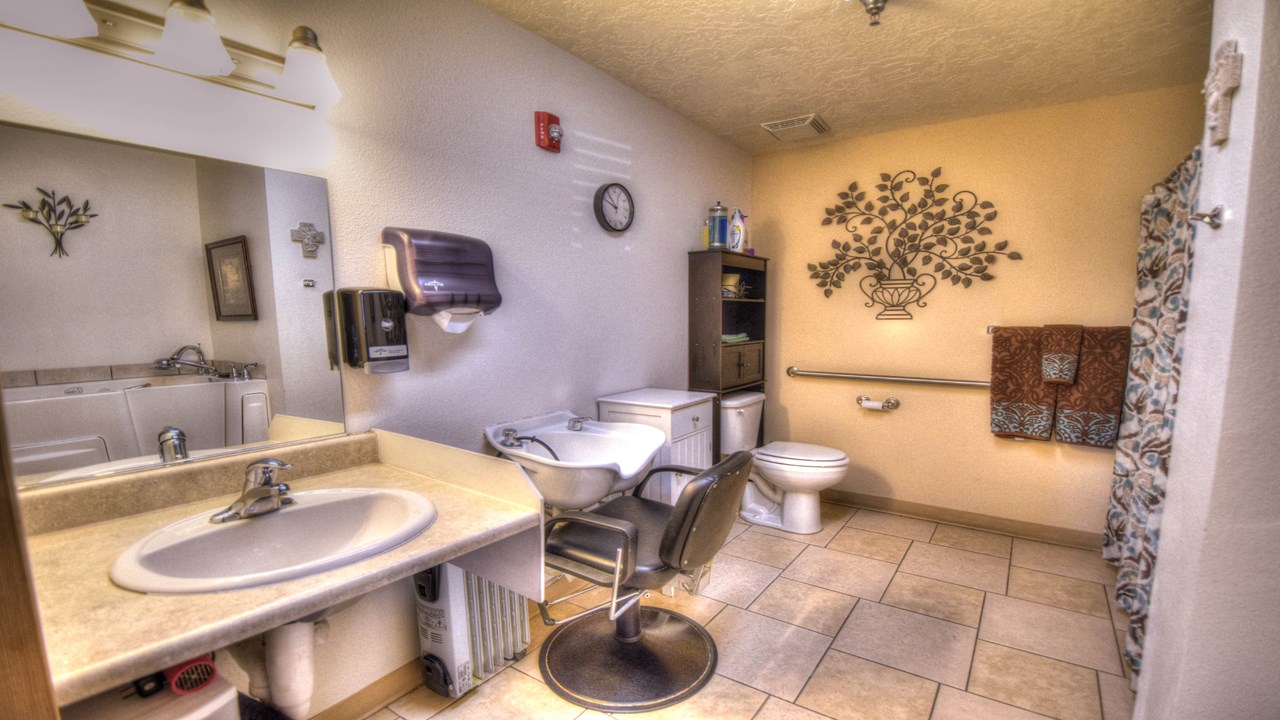
A quiet, smaller community might feel calmer and less overwhelming, which can be vital for somebody who tires easily, copes with stress and anxiety, or has early cognitive modifications. A larger school, with many homeowners and programs running throughout the day, can spark energy in a parent who feeds off social stimulation and variety.
The environment influences:
- How often your parent leaves their apartment. How rapidly staff notice little modifications in habits or health. Whether your parent can keep familiar routines, or need to adjust to a more structured schedule. How easily family members can participate in community life.
Many households focus first on the structure or the house design. Those details matter, but the psychological tone of the location matters more, and it is heavily shaped by whether the neighborhood is little and quiet or large and bustling.
A brief contrast: peaceful community vs busy campus
The following summary is a starting point, not a verdict. Real communities sit along a spectrum, however the differences listed below prevail patterns.
Quiet community- Typically less citizens, often one main building or little cluster. Slower pace, less synchronised activities, more informal interactions. Staff might understand homeowners' histories and preferences more thoroughly. Can feel comforting to introverts or those easily overstimulated. Risk of dullness or isolation if shows is thin or leadership is weak.
- Larger population, in some cases several structures or levels of care on one site. Daily calendar filled with occasions, classes, outings, and groups. More peers with shared interests just due to numbers. Often has on-site amenities such as gym, cafes, chapels, or salons. Can overwhelm those with sensory sensitivities or progressing dementia.
The ideal choice depends upon who your parent is on their finest days and their hardest days, not just their age or diagnosis.
Understanding the care types: more than labels
Before comparing environments, it helps to clarify what level of assistance your parent actually needs. Numerous communities integrate several kinds of elderly care on a single campus, but the culture often starts with how they specify their main mission.
Assisted living
Assisted living is intended for older adults who can live somewhat separately however need help with some daily activities. Common services consist of bathing, dressing, medication tips, meals, housekeeping, and some transportation.
From experience, households often ignore how rapidly requires can grow. A parent who moves in for light assistance might establish mobility issues or moderate memory loss within a couple of years. Bigger campuses sometimes manage this progression more efficiently, due to the fact that they already have several care levels in place. Small assisted living settings might also manage these modifications well if they have strong nursing oversight and a clear policy on aging in place.
Do not assume that the expression "assisted living" means the exact same thing everywhere. Some settings are hospitality-forward, with a strong focus on way of life and social programs, and minimal clinical personnel. Others are more health-focused, with nurses on site much of the day, closer to a light medical model.
Memory care
Memory care is developed particularly for citizens with Alzheimer's illness or other forms of dementia. Security, staffing ratios, and programs are structured for individuals who may roam, experience confusion, or have difficulty with impulse control and judgment.
A quiet, controlled environment frequently works finest for moderate to sophisticated dementia, because noise and constant stimulation can aggravate agitation, sleep, and behavioral signs. Many households are reluctant to consider memory care, fearing it will feel like "locking somebody away." In truth, a well-run memory care system often provides more freedom within safe borders, due to the fact that staff and environment are tailored to locals' cognitive needs.

In bigger campuses, memory care is in some cases a different, guaranteed wing. In smaller communities, memory care can be integrated however with designated safe and secure areas, or offered only when a particular staff-to-resident ratio is possible. Ask specifically how memory care is structured, even if your parent does not need it yet. Dementia can emerge or speed up throughout times of transition.
Respite care
Respite care uses short-term stays, normally from a few days to a couple of weeks. It is vital for caregivers who need short-term relief, are taking a trip, or are recuperating from disease. It can also work as a "trial run" for assisted living.
A peaceful neighborhood may feel less frightening for a newbie respite stay, especially for somebody reluctant about leaving home. On the other hand, a hectic school may reveal your parent a dynamic side of senior living, with activities that challenge their presumptions. I have actually seen skeptical parents entirely reverse their viewpoint after a two-week respite remain at a school that matched their social and intellectual interests.
When thinking about respite care, concentrate on how fully the short-term resident is integrated. Are they seated at routine tables in the dining room, welcomed to all activities, and appointed a constant primary caretaker, or dealt with as a momentary add-on?
Matching environment to personality and history
People do not suddenly end up being different characters at 82. The best senior care choices respect who your parent has actually always been, even as health changes.
Think about how your parent dealt with shifts in earlier decades. When they signed up with a brand-new club, changed jobs, or moved neighborhoods, did they grow on meeting numerous brand-new people rapidly, or did they choose to form a few deep relationships over time?
Also consider how they manage sound, crowds, and visual stimulation. A retired instructor utilized to handling a classroom may find a large dining-room energizing. A parent who has actually constantly selected peaceful corners at gatherings may find the same space draining.
Pay attention to three lenses:
First, social design. Introverts often do much better with smaller dining-room, less overlapping occasions, and foreseeable regimens. Extroverts may find that same setting "too drowsy" and slide into depression.
Second, self-reliance. Some parents like having options and making everyday choices. Hectic schools serve that desire well, with numerous concurrent activities. Others become incapacitated when confronted with too many choices. For them, a shorter, curated activity calendar can feel more manageable.
Third, previous neighborhood ties. If your parent has actually invested decades in a close-knit neighborhood or congregation where everybody understands everybody's stories, a smaller sized assisted living community may better duplicate that fabric. Conversely, if they have constantly lived in big cities, traveled commonly, or moved regularly, a larger campus may just feel more familiar.
If you have brother or sisters or other close relative, compare your impressions of your parent's social patterns. Each of you has actually seen your parent in slightly various contexts; combined, these viewpoints provide a more precise picture.
Health complexity and the "ladder of care"
Beyond character, medical realities form what kind of environment is sustainable. Assisted living, memory care, and other senior care alternatives rest on a continuum in between home care and nursing home care. Big campuses often house a number of rungs of that ladder on one site.
For a relatively healthy parent with stable persistent conditions - state, well-managed diabetes and moderate arthritis - both peaceful and hectic settings can work, as long as personnel listen and medication management is reliable.
For a parent with complex, varying conditions such as sophisticated cardiac arrest, Parkinson's illness, or considerable cognitive problems, the long-lasting image matters. A hectic campus with assisted living, memory care, and knowledgeable nursing on-site may permit them to remain within one familiar school even as care requirements rise. Personnel may understand them over several years, and transitions between levels of care end up being less jarring.
A smaller sized assisted living house might still be suitable if it has strong scientific collaborations, consisting of going to nurse practitioners, hospice relationships, and clear limits for when they can no longer safely support a resident. The trade-off is that a later relocation might be required to a higher level of care in a various location.
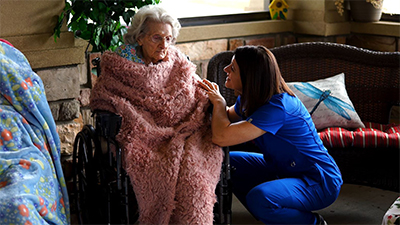
Ask about:
- Night staffing levels and how urgent medical requirements are handled. Partnerships with home health, physical therapy, and hospice providers. Whether the community has actually handled residents with conditions comparable to your parent's, and for how long.
The answers expose whether the neighborhood sees itself as a long-term partner or a shorter-term step.
The emotional landscape for household members
Family dynamics frequently affect whether a peaceful or hectic community feels acceptable. Adult kids bring their own choices, worries, and regret into the decision.
A grown daughter who lives out of state may feel more comfy if her parent survives on a large campus with multiple staff on-site all the time, regular activity, and clear policies. Understanding there are layers of oversight can alleviate the anxiety of distance.
A child who has actually been a day-to-day caregiver may choose a smaller sized setting, where he can quickly form relationships with a focused staff group and feel truly referred to as part of the care group. He might stress that a big campus will dilute interaction or treat his parent like a number.
Both reactions are understandable. What matters is acknowledging when your comfort is driving the choice more than your parent's real requirements and character. Preferably, the choice balances 3 point of views: the parent's preferences, the scientific truths, and the family's capacity and boundaries.
Money, agreements, and the surprise expense of "vibe"
Finances can not be separated from environment. Big, busy schools with extensive facilities typically carry greater month-to-month costs, although rates varies widely by region. Peaceful, smaller sized facilities can be more affordable, but not constantly; often their intimacy and high end design come at a premium.
Look carefully at how each neighborhood charges for care. Some use tiered care levels with flat day-to-day costs. Others costs à la carte for each additional service. A resident who appears inexpensive to begin can become quite pricey if care requires grow and every extra medication pass or transfer is billed separately.
When comparing peaceful and busy settings, do not just compare base lease. Look at:
- How care level increases are examined and communicated. Whether memory care is on the same campus and what it costs. Policies about Medicaid or other public payers, if appropriate for the future. Refund terms on entrance fees or deposits.
An often-overlooked expense connects to fit. If your parent winds up miserable in a setting they did not assist pick, relocations and transitions become most likely, and each relocation adds expense, interruption, and health risk. A a little more costly environment that really fits your parent's character and requirements may conserve cash and stress over time.
Daily life: concrete distinctions you can observe
When you tour communities, focus on the small information that reveal the everyday reality. In a peaceful residence, see how personnel communicate with locals during off-peak times, such as mid-afternoon. Is the lobby deserted, or do you see a few residents reading, chatting, or taken part in light activity? Are staff sitting behind a desk, or out in the typical areas?
In a hectic school, look for how citizens navigate choices. Do personnel carefully motivate reluctant homeowners to participate in activities, or does the calendar seem like noise, with the exact same little group going to whatever while others withdraw? Are occasions truly adapted to locals' cognitive and physical capabilities, or does much of the programs assume a fitter, more independent population?
Dining is particularly revealing. In quieter neighborhoods, meals might feel more like a family-style dining establishment, with familiar faces at each table. In larger settings, there might be several seatings, numerous dining rooms, or more of a hotel-like feel. See whether personnel assist homeowners inconspicuously with cutting food or reminders, or whether some individuals appear lost in the shuffle.
Pay attention to sound levels. In bigger campuses, the combination of tvs, conversations, activity statements, and equipment beeps can quickly overwhelm somebody with hearing loss or dementia. In smaller settings, outright silence can be its own problem, specifically if it hints at understaffing or lack of engagement.
One household, 2 brother or sisters, and different answers
Consider a concrete example drawn from typical patterns in practice. 2 brother or sisters are helping their widowed mother, age 84, who lives alone with moderate frailty but intact cognition.
The mother was a school curator, loves peaceful, and has actually constantly preferred a little circle of buddies. She is anxious about losing control and deeply attached to her existing neighborhood, which is reasonably quiet and residential.
The child prefers a large campus twenty minutes away, with assisted living, memory care, and experienced nursing, plus substantial activities. She resides in another state and wants to reduce the opportunity of another move if her mother's health decreases. The son prefers a smaller sized assisted living house just a couple of blocks from his mother's current home. It has one main structure, about forty citizens, and a calmer feel.
On paper, the huge campus checks more boxes for future planning. Yet when the mother visits, she is noticeably distressed by the size, noise, and continuous movement. She feels lost in the long hallway and overwhelmed by the activity board.
At the smaller home, she visibly relaxes. She talks about the garden, notices that she can see from one end of the common location to the other, and remembers the names of personnel after a single visit.
Strictly from a risk management point of view, the huge campus may still appear safer. From a human point of view, the smaller sized senior care neighborhood most likely offers this specific woman a better opportunity of growing. Her identity, routines, and nerve system all lean towards quiet. Her child's proximity and involvement more mitigate the danger of needing to transfer to a higher level of care later.
This kind of case highlights why there is no universal right answer.
When dementia becomes part of the picture
If your parent already has a dementia medical diagnosis, environment ends up being even more vital. Memory care systems within hectic schools may include safe courtyards, specialized lighting, and staff trained in dementia interaction techniques. They may provide structured everyday regimens, which can be grounding, along with small group activities created for cognitive abilities.
However, not all memory care in big schools is equivalent. Some units inherit noise and traffic from the bigger complex. Personnel may rotate frequently, and continuity of relationships can suffer.
Smaller memory care settings in some cases provide a more homelike environment, with the exact same personnel present day after day, which can be reassuring for citizens who depend on familiar faces and regimens. On the drawback, if a resident's habits becomes more intricate (for example, regular nighttime wandering, aggression, or extreme medical requirements), a small setting might not be able to manage safely.
For dementia, look less at the size of the total campus and more at the specific system your parent would live in. Visit at various times of day, consisting of evenings. Notice how personnel redirect stress and anxiety, how they react to duplicated questions, and whether homeowners appear calm, engaged, or sedated.
Using respite care to "test drive" an option
For families not sure whether a quiet or hectic environment would suit their parent, respite care can serve as a low-commitment experiment. A short stay of one to 4 weeks offers real-world information. It demonstrates how your parent sleeps, engages, and consumes in that setting.
If circumstances enable, some families attempt 2 short stays: initially in the quieter setting, then a couple of months later in a bigger school, or vice versa. Not everybody has the monetary or logistical capability to do this, but when possible, it typically clarifies preferences more than any tour.
During respite, track particular indications: Has your parent's mood improved or decreased? Are they more or less mobile? Do they call home in tears, or do they begin to refer to personnel and fellow citizens by name? Personnel observations are likewise beneficial, particularly relating to how much triggering is required for bathing, medications, and activities.
Respite is also a test of how the community incorporates brand-new locals. If a short-term guest is welcomed warmly, presented around, and oriented patiently, that bodes well for long-lasting fit.
Questions to ask on trips, beyond the brochure
Once you have actually narrowed options, structured questions can assist you see past polished marketing. Used thoughtfully, this concise set can guide conversations in both quiet and busy settings.
How do you assist new citizens adjust in the first thirty days, and who is accountable for that process? What does a common day look like for somebody with my parent's movement and cognitive level, consisting of quieter parts of the day? How are modifications in condition communicated to families, and who has main duty for that interaction? Can you describe a current situation where a resident's requirements increased considerably, and how you managed it within your neighborhood? For homeowners who choose privacy or have sensory level of sensitivities, what particular supports or adjustments do you offer?Listen thoroughly not only to the content of the responses, but to how truthfully staff go over challenges and limits. Extremely idealized reactions typically show a gap between marketing and practice.
Helping your parent feel ownership of the decision
Many older adults have already experienced several losses: of driving ability, friends, partners, and often earnings. Being "put" in assisted living can seem like another loss of control. Whether you pick a quiet sanctuary or a dynamic school, how you involve your parent in the process matters.
Whenever possible, invite them to tours, even if they withstand initially. Scale the experience to their stamina. One longer visit often works much better than numerous brief, hurried walk-throughs. Stop for coffee in the community coffee shop or sit quietly in the lounge to get a sense of rhythm.
Ask direct but respectful questions later: "When you envision yourself living there, how does your body feel?" "Was it too loud, too peaceful, or about right?" Often an older grownup's unclear remark, such as "It simply felt wrong," conceals a specific concern, like fear of getting lost or fret about sharing a dining room with complete strangers. Gently draw out the details.
When member of the family disagree about peaceful versus hectic alternatives, it can assist to call the values at stake. Safety, social engagement, autonomy, financial stewardship, and psychological convenience in some cases draw in various directions. A shared understanding of these concerns makes it easier to accept trade-offs.
Choosing in between a peaceful assisted living setting and a bigger, busier school is not a one-time binary judgment. It is an ongoing procedure of aligning your parent's identity, medical requirements, and financial reality with a specific location and team of people. Whether calm or dynamic, the right environment will feel less like an organization and more like a community where your parent can still recognize themselves.
BeeHive Homes of Farmington provides assisted living care
BeeHive Homes of Farmington provides memory care services
BeeHive Homes of Farmington provides respite care services
BeeHive Homes of Farmington supports assistance with bathing and grooming
BeeHive Homes of Farmington offers private bedrooms with private bathrooms
BeeHive Homes of Farmington provides medication monitoring and documentation
BeeHive Homes of Farmington serves dietitian-approved meals
BeeHive Homes of Farmington provides housekeeping services
BeeHive Homes of Farmington provides laundry services
BeeHive Homes of Farmington offers community dining and social engagement activities
BeeHive Homes of Farmington features life enrichment activities
BeeHive Homes of Farmington supports personal care assistance during meals and daily routines
BeeHive Homes of Farmington promotes frequent physical and mental exercise opportunities
BeeHive Homes of Farmington provides a home-like residential environment
BeeHive Homes of Farmington creates customized care plans as residents’ needs change
BeeHive Homes of Farmington assesses individual resident care needs
BeeHive Homes of Farmington accepts private pay and long-term care insurance
BeeHive Homes of Farmington assists qualified veterans with Aid and Attendance benefits
BeeHive Homes of Farmington encourages meaningful resident-to-staff relationships
BeeHive Homes of Farmington delivers compassionate, attentive senior care focused on dignity and comfort
BeeHive Homes of Farmington has a phone number of (505) 591-7900
BeeHive Homes of Farmington has an address of 400 N Locke Ave, Farmington, NM 87401
BeeHive Homes of Farmington has a website https://beehivehomes.com/locations/farmington/
BeeHive Homes of Farmington has Google Maps listing https://maps.app.goo.gl/pYJKDtNznRqDSEHc7
BeeHive Homes of Farmington has Facebook page https://www.facebook.com/BeeHiveHomesFarmington
BeeHive Homes of Farmington has an YouTube page https://www.youtube.com/@WelcomeHomeBeeHiveHomes
BeeHive Homes of Farmington won Top Assisted Living Home 2025
BeeHive Homes of Farmington earned Best Customer Service Award 2024
BeeHive Homes of Farmington placed 1st for Senior Living Communities 2025
People Also Ask about BeeHive Homes of Farmington
What is BeeHive Homes of Farmington Living monthly room rate?
The rate depends on the level of care that is needed (see Pricing Guide above). We do a pre-admission evaluation for each resident to determine the level of care needed. The monthly rate is based on this evaluation. There are no hidden costs or fees
Can residents stay in BeeHive Homes until the end of their life?
Usually yes. There are exceptions, such as when there are safety issues with the resident, or they need 24 hour skilled nursing services
Do we have a nurse on staff?
Yes. Our administrator at the Farmington BeeHive is a registered nurse and on-premise 40 hours/week. In addition, we have an on-call nurse for any after-hours needs
What are BeeHive Homes’ visiting hours?
Visiting hours are adjusted to accommodate the families and the resident’s needs… just not too early or too late
Do we have couple’s rooms available?
Yes, each home has rooms designed to accommodate couples. Please ask about the availability of these rooms
Where is BeeHive Homes of Farmington located?
BeeHive Homes of Farmington is conveniently located at 400 N Locke Ave, Farmington, NM 87401. You can easily find directions on Google Maps or call at (505) 591-7900 Monday through Sunday 9:00am to 5:00pm
How can I contact BeeHive Homes of Farmington?
You can contact BeeHive Homes of Farmington by phone at: (505) 591-7900, visit their website at https://beehivehomes.com/locations/farmington/,or connect on social media via Facebook or YouTube
Visiting the Riverside Nature Center offers a calm, educational outdoor setting well suited for assisted living, senior care, elderly care, and respite care visits.